The Hidden Revenue Killer in Clinics: How AI Receptionists Eliminate Missed Calls and No-Shows
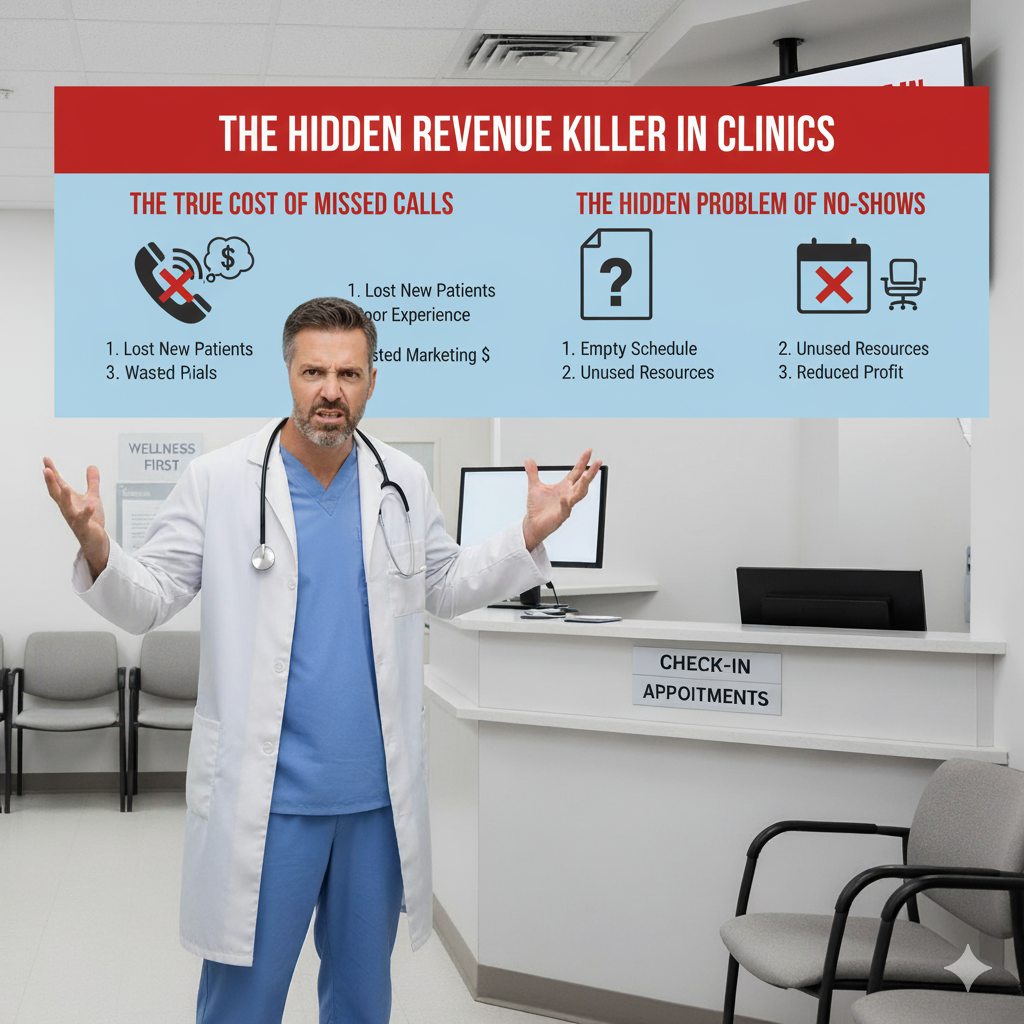
The Hidden Revenue Killer in Clinics. Healthcare clinics often focus on bringing in new patients. However, many don’t realize that they’re already losing huge amounts of revenue through missed calls and no-show appointments. These silent killers drain profit margins, frustrate staff, and damage patient trust.
The good news? AI receptionists are solving both problems — simultaneously.
The True Cost of Missed Calls
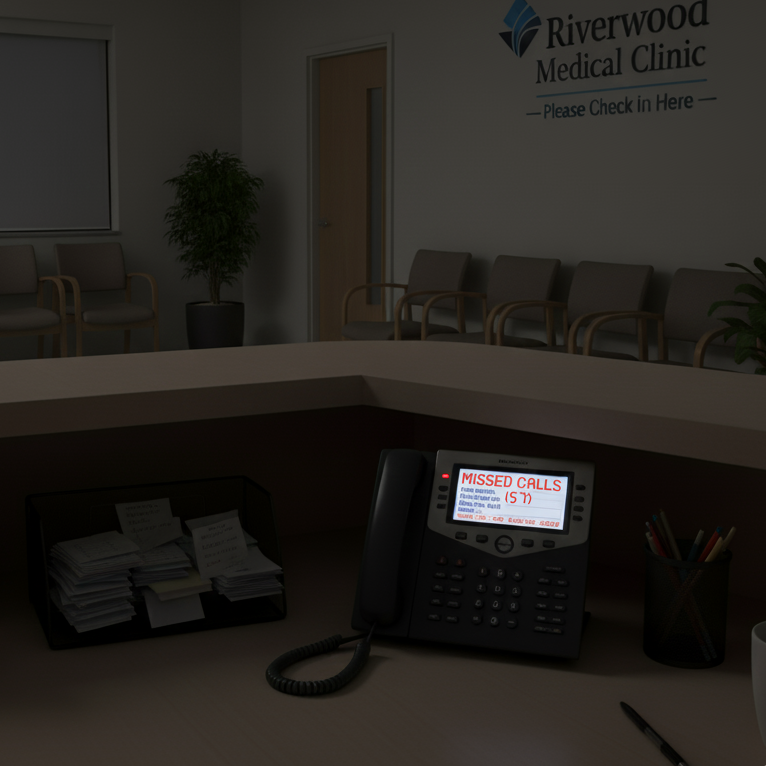
Every time a patient’s call goes unanswered, your clinic risks losing revenue. For example:
- A single missed call could mean hundreds of dollars in lost treatment value.
- Studies show up to 20% of new patients will never call back if their first attempt isn’t answered.
- Even if the patient does call again, their confidence in the clinic drops.
Therefore, missed calls don’t just waste opportunities — they damage your reputation.
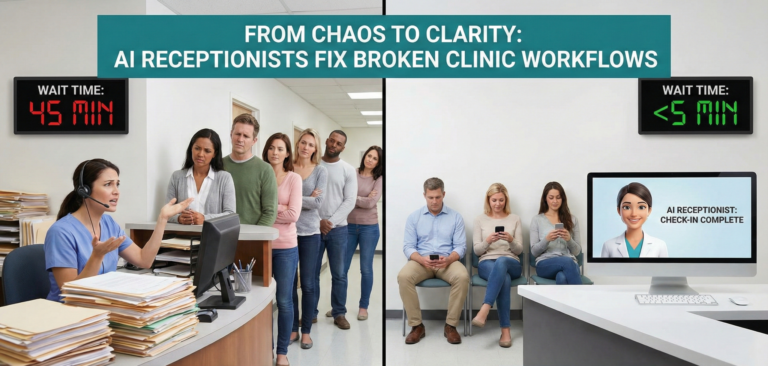
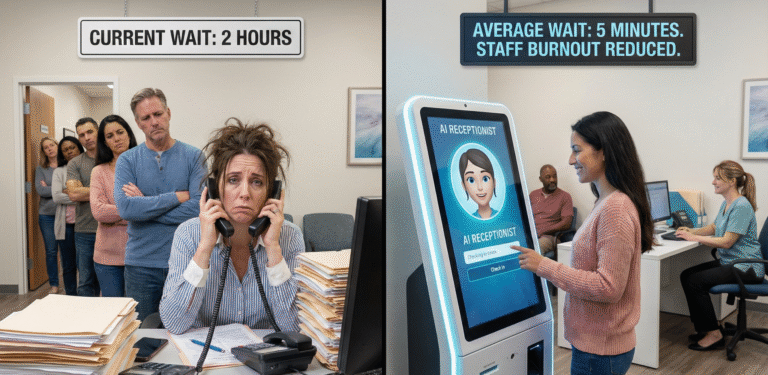
Traditional staff can only juggle so many calls. Meanwhile, AI receptionists answer instantly, every time.
The Hidden Problem of No-Shows
Missed appointments are just as damaging. In fact:
- The average no-show rate in healthcare ranges from 15–30% depending on specialty.
- For a dental or cosmetic clinic, each no-show can mean hundreds of dollars lost.
- Staff waste time preparing for patients who never arrive.
The reasons patients miss appointments vary: forgetfulness, anxiety, poor communication, or schedule conflicts. However, AI receptionists reduce these dramatically by sending reminders, confirming attendance, and following up in multiple languages.
How AI Receptionists Fix Both Problems
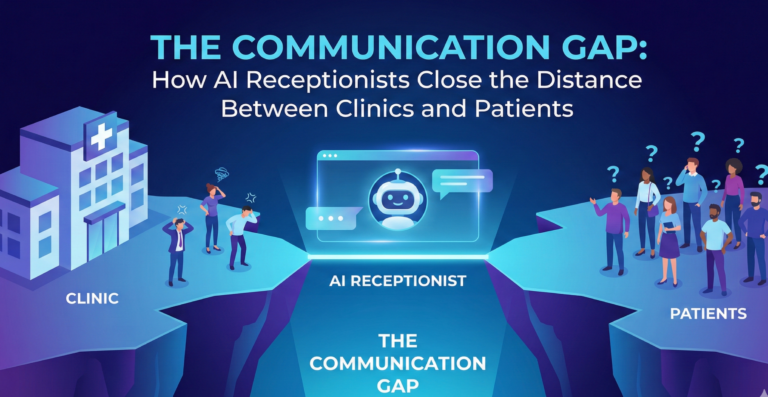
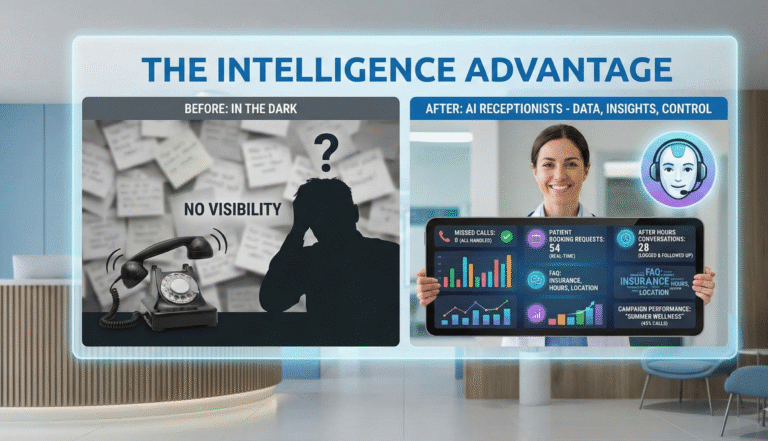
An AI receptionist is not just a phone-answering tool. Instead, it acts as a 24/7 booking machine designed to protect clinic revenue.
Key capabilities include:
- Always available: Patients calling at night or weekends still get answers.
- Instant scheduling: Appointments are booked directly into the calendar.
- Automated reminders: Calls, SMS, or WhatsApp messages reduce no-shows.
- Multilingual communication: Patients receive support in their preferred language.
- Proactive follow-ups: If a patient cancels, the AI can reschedule instantly.
As a result, clinics stop losing revenue to missed calls and cut their no-show rate significantly.
Real-World Scenario
Imagine a busy dental clinic in Dubai. The receptionist can only handle one call at a time. While she books a patient, three other calls come in and go unanswered. That’s three lost opportunities in less than five minutes.
Now picture an AI receptionist. All four calls are answered instantly. Two are new patient bookings, one is a routine inquiry, and one is a reschedule. Zero opportunities lost.
Multiply that across a month, and the revenue difference is staggering.
Why Patients Prefer AI Receptionists
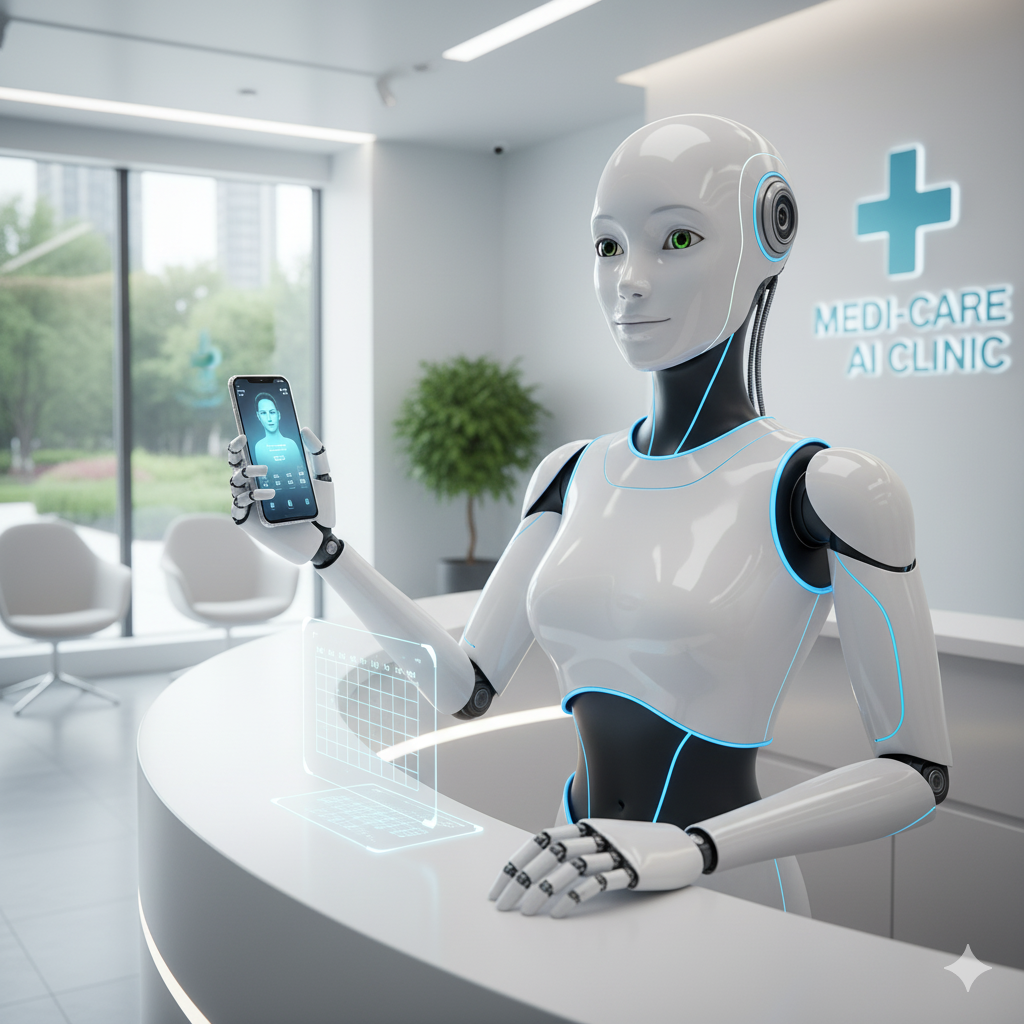
Some worry patients won’t like talking to AI. In reality, the opposite is true. Patients want:
- Speed: No waiting on hold.
- Clarity: Information delivered immediately.
- Convenience: Bookings and confirmations done on the spot.
- Consistency: Always available, never tired, never frustrated.
Therefore, AI receptionists improve patient satisfaction while protecting revenue.
Numbers Don’t Lie
Let’s run simple math:
- A clinic averages 20 missed calls per week.
- Assume half are potential new patients.
- Each patient visit averages $200 in revenue.
That’s $2,000 lost per week — over $100,000 annually.
AI receptionists eliminate this loss almost entirely. In other words, the technology pays for itself many times over.
The Future Is Here
AI receptionists are not futuristic gadgets. They are already deployed in clinics across the UAE, handling thousands of patient calls every day. Clinics that adopt them protect revenue, scale faster, and deliver superior patient experiences.
Meanwhile, those that stick to traditional systems risk falling behind.
Missed calls and no-shows are silent killers of clinic growth. AI receptionists eliminate both problems, filling schedules while reducing wasted staff time. For decision makers, the choice is simple: keep losing money every day, or adopt technology that guarantees you never miss another patient.